
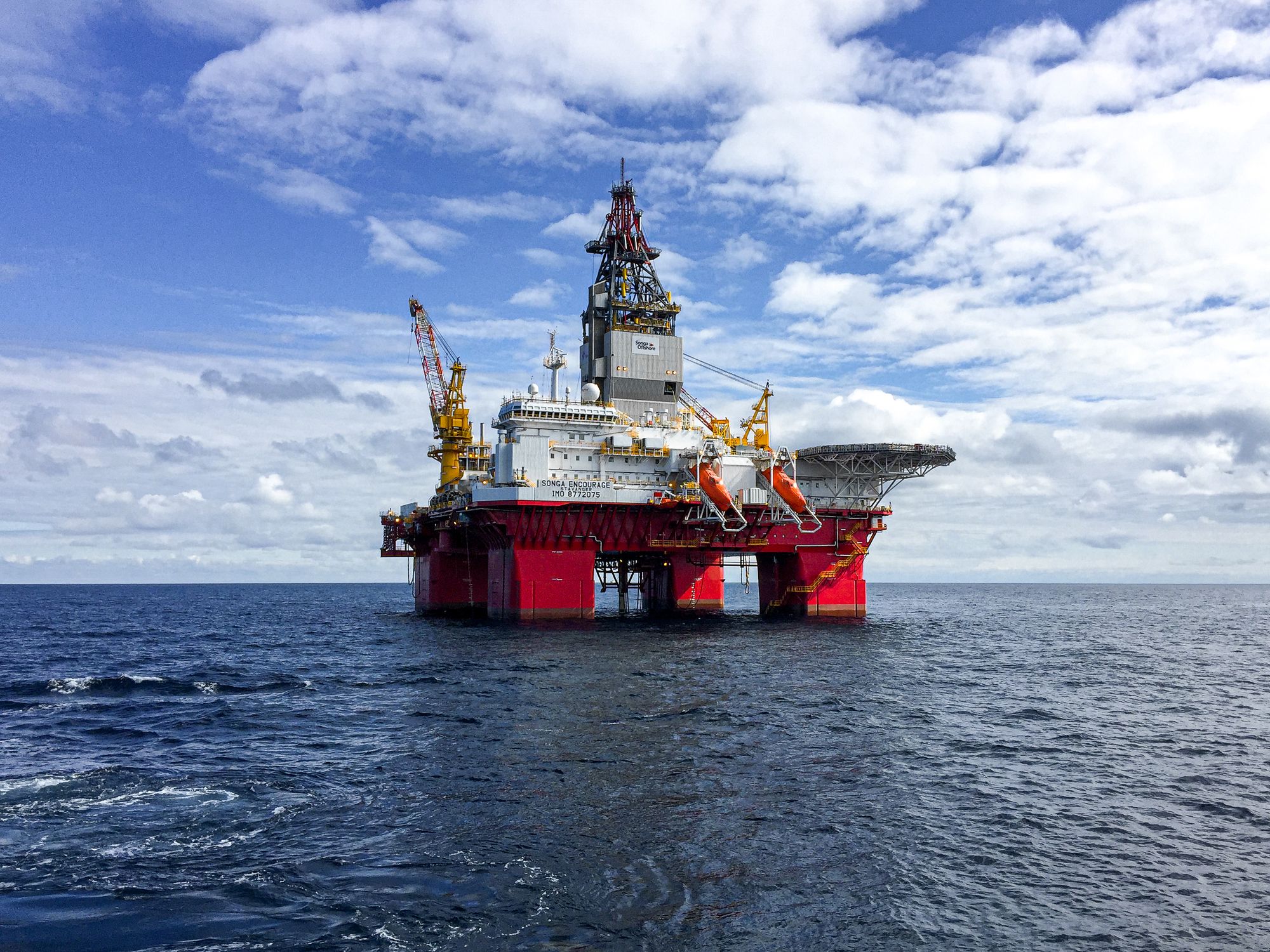
Offshore Assets and Structural Systems
Subject to the agreed design basis and available specialist inputs, the practice can address:
- Topsides, decks, modules and skids
- Jackets, towers, bridges and connecting structures
- Equipment supports, crane pedestals and local deck framing
- Helideck, flare-boom, access and secondary-steel systems
- Conductor, riser and pipeline support structures
- Subsea frames, templates, protection and support structures
- Transportation frames, grillage, sea-fastening and temporary steelwork
- Structural modifications, brownfield interfaces and removal systems
Concept, FEED and Detailed Design
- Structural concept and framing-option comparison
- Preliminary member sizing and weight-development support
- Design-basis, action and interface definition
- Global model development and load-path verification
- Detailed member, plate, stiffener, tubular-joint and connection checks
- Support-reaction, interface-load and foundation-demand development
- Weight, centre-of-gravity and structural reserve monitoring
- Design optimization, constructability and fabrication review
- Independent calculation checking and design-assurance support
Offshore Structural Design and Assessment
Potential scopes include:
- Structural design and assessment of offshore steel systems
- Global frame, plate and shell analysis
- Member, plate, stiffener, connection and support verification
- In-place analysis under permanent, operating and environmental actions
- Stability, second-order response and local load-introduction checks
- Structural modifications, equipment supports and local strengthening
- Environmental action application using approved wave, wind, current and seismic inputs
- Foundation, pile and soil-structure interaction using project geotechnical data
- Deterministic, spectral or time-domain fatigue assessment where justified by inputs
- Ultimate, serviceability, fatigue and accidental limit-state checks where applicable
- Structural redundancy, reserve-strength and nonlinear pushover assessment
- Structural calculation notes, design reports and utilization summaries
The analysis basis identifies the structural configuration, design situation, action model, environmental inputs, resistance format, modelling assumptions and acceptance criteria. Results are interpreted in terms of structural behaviour and governing mechanisms, not utilization ratios alone.
Transportation and Sea-fastening
Transportation engineering translates vessel response and cargo configuration into a complete structural load path. Scope may include:
- Weight, mass distribution and centre-of-gravity review
- Transportation acceleration and inertia-load definition
- Global cargo response under governing load combinations
- Grillage stiffness, support reaction and bearing assessment
- Sea-fastening design and verification
- Sliding, uplift, overturning and restraint-force checks
- Welded, bolted and bearing interface verification
- Local strength assessment at support and tie-down locations
- Sensitivity to support tolerance, stiffness and load distribution
- Temporary-condition calculation reports and design details
Vessel-motion data, transport criteria, friction assumptions, support conditions, fabrication tolerances and operational restrictions are treated as controlled design inputs.
Load-out, Lifting and Installation Engineering
Structural work for marine operations may include:
- Skidded, SPMT or lifted load-out support and reaction checks
- Temporary support, skid-beam, grillage and quay-interface assessment
- Lift-point, padeye, trunnion and local reinforcement design
- Rigging-load application and lifted-structure analysis
- Single, tandem and project-defined offshore lift design situations
- Lift-off, set-down, dynamic amplification and skew-load cases
- Launch, upending, float-over or subsea-installation structural input where specialist motion and hydrostatic data are supplied
- Temporary buoyancy, restraint and installation-interface checks within structural scope
- Removal, reverse-installation and decommissioning lift studies
- Engineering documentation supporting marine-operation and warranty review
Rigging configuration, crane capacity, vessel response, stability, ballasting and operational procedures remain subject to the appropriate lifting, marine and naval-architecture disciplines. STRUCTOLYX® defines and verifies the structural response within that coordinated basis.
In-place and Modification Studies
In-place work may address the response of the installed system to operating, environmental and project-defined accidental actions. Depending on scope, the study may include global strength and stability, member and connection utilization, local equipment loads, support modifications, structural reserve, dynamic response and fatigue-sensitive details.
Fatigue, Integrity and Life Extension
For existing or modified offshore assets, potential scopes include:
- As-is model development from drawings, inspection data and approved modifications
- Corrosion-loss, marine-growth, damaged-member and flooded-member representation
- Fatigue screening, detailed fatigue reassessment and structural-integrity studies
- Review of inspection anomalies and structural significance
- Reassessment for changed weight, equipment, environment or operating condition
- Structural reserve, redundancy and damaged-condition assessment
- Repair, strengthening and inspection-priority recommendations
- Life-extension, reuse, relocation and future-removal studies
- Technical support to structural integrity management plans
The assessment basis distinguishes measured condition, assumed condition and unavailable evidence. Inspection planning and acceptance remain coordinated with the operator, survey, class and regulatory framework.
Accidental and Extreme-Response Analysis
Where required by the project design basis, STRUCTOLYX® can assess structural response to defined accidental or extreme actions, including:
- Vessel or boat impact
- Dropped-object and local impact loading
- Blast pressure and impulse
- Fire-induced thermal actions and degraded material response
- Abnormal environmental and wave-in-deck conditions
- Member loss, alternate load paths and progressive collapse
- Nonlinear reserve-strength and ultimate-capacity response
Hazard definition, fire and blast loads, collision energy, dropped-object scenarios and risk acceptance criteria must be supplied or approved by the appropriate process-safety, risk, naval, metocean or client authority. STRUCTOLYX® addresses the resulting structural response and consequence within the agreed scope.
Pipeline and Subsea Structural Studies
Pipeline analysis is developed from the physical behaviour and governing design situation. Depending on project phase and available data, the scope may include:
- Pipeline system idealization and boundary-condition definition
- Installation, temporary and in-place design situations
- Pressure, temperature, self-weight, environmental and imposed actions
- Pipe-soil, support and restraint representation
- Stress, strain, displacement and utilization assessment
- On-bottom stability and hydrodynamic-response studies using approved environmental inputs
- Thermal expansion, pipeline walking and axial or lateral interaction studies
- Upheaval, lateral and global buckling assessment
- Free-span screening, response and fatigue studies using approved hydrodynamic or VIV inputs
- Local buckling, collapse, propagation and combined-loading checks where applicable
- Installation, lay, pull-in, tie-in, spool and temporary-condition structural cases
- Support, crossing, interface and local load-transfer checks
- Riser, shore-approach and connected-system interface loads where within scope
- Parametric studies for uncertain soil, support or operational inputs
- Code-based assessment and technical reporting
The exact analysis class is confirmed from pipeline type, route and survey data, geotechnical inputs, operating envelope, installation method, environmental criteria and governing standard. Specialist scopes are accepted only where the required inputs and competence are available.
Codes and Design Governance
Offshore work may be developed to relevant API, DNV, ISO, AISC, NORSOK, class, client or project-specific requirements. The applicable document, edition, limit-state format and supplements are established in the project design basis. Standards are not mixed selectively; any cross-code interface is identified and resolved explicitly.
Engineering Deliverables
- Design-basis or analysis-basis memorandum
- Load derivation and combination schedule
- Global and local structural models
- Member, plate, connection, support and sea-fastening checks
- Pipeline analysis report where included
- Assumption, interface and technical-query register
- Model-verification and sensitivity summary
- Calculation note, design report and technical drawings as appointed
Experience Attribution
STRUCTOLYX® is founder-led. The offshore capability described here reflects John Thomas V's professional engineering experience. It does not represent employer-owned projects as STRUCTOLYX® commissions or imply employer endorsement. Published firm case studies will be limited to STRUCTOLYX® appointments that may be disclosed.